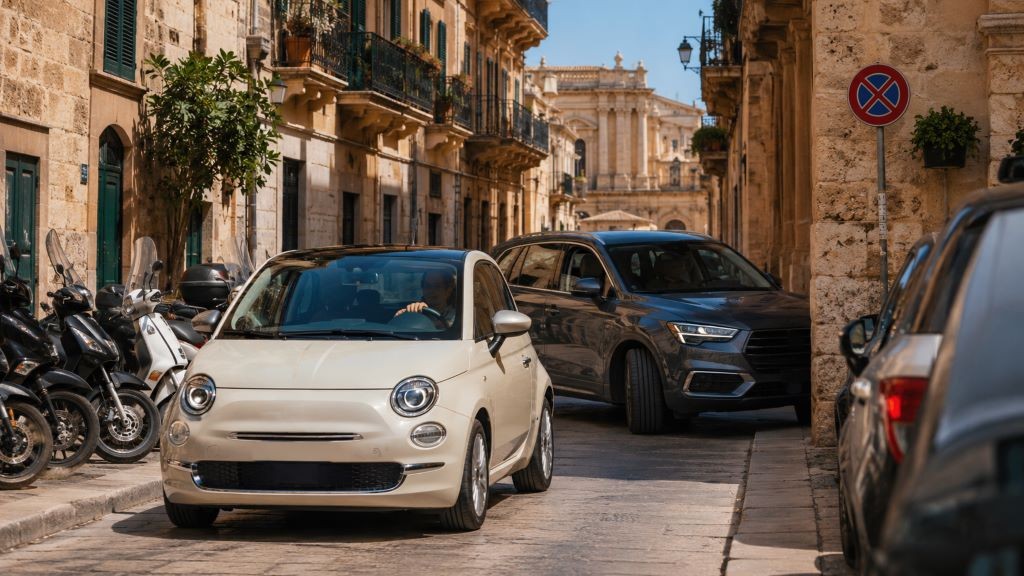
Finding the right car in Italy is not the same as finding the right car anywhere else. Anyone who has tried to park in the centro storico of Rome, gotten stuck in a one-way street in Naples, or discovered mid-winter that their diesel is banned from the Florence ZTL knows this immediately. The Italian road environment has its own logic, and it rewards specific choices while punishing others.
The challenge for expats is that most car-buying instincts don't transfer directly from other markets. What worked perfectly in the US, UK, Germany, or Japan may be frustrating - or simply impractical - on Italian streets. A large SUV that feels comfortable on American highways becomes a liability in a medieval alleyway. A diesel that was economical in Northern Europe becomes a bureaucratic headache in Milan.
The key principle is simple but easy to overlook: the best car for Italy is not the most comfortable, the most powerful, or the most prestigious - it's the one that fits the specific context in which you'll actually live. A compact car is almost always the rational first choice for anyone living in a major Italian city. But there are genuine exceptions, and this guide covers all of them honestly.
The sections below break down the real criteria that matter for Italian roads, then go through the most suitable models by category, fuel type, budget, and city - so you can match a car to your actual situation, not a theoretical one.
What Makes a Car "Right" for Italy? The Criteria That Actually Matter
Before looking at specific models, it's worth understanding why car choice in Italy works differently from most other markets. Four factors consistently determine whether a car makes your life easier or harder.
1. Size and maneuverability
Italian historic centres were built centuries before cars existed. Streets of three metres wide, blind corners, narrowing lanes, and parking spaces that appear to have been designed for bicycles are part of daily life in most Italian cities. In this context, the length of your car matters far more than its engine displacement. A compact that's 4.0 metres long will navigate streets that a 4.5-metre SUV simply cannot.
2. ZTL access and emissions
Zona a Traffico Limitato restrictions affect most Italian city centres, and they are enforced automatically by cameras - no discretion, no warnings, just fines that often arrive weeks later. Access rules vary by city and by vehicle emissions standard. An older diesel Euro 4 or a high-emitting petrol engine can be outright banned from the centre of Rome or Florence. Before buying any car, check its Euro emissions category against the ZTL rules of the city where you'll be living. You can read more about how ZTL zones work across Italy in our dedicated guide to ZTL zones in Italy.
3. Parking realities
In Rome, Naples, and other large Italian cities, parking a long or wide vehicle is a daily source of stress. Scrapes and minor dents are a statistical reality, not an exceptional event. A smaller car not only fits into more spaces - it also costs less to repair when the inevitable happens, and it costs less to insure.
4. Insurance costs
Italian car insurance is priced based on several variables that many expats don't anticipate: the power output of the vehicle, the province of residence, and the absence of an Italian driving history. A powerful engine in Rome can cost dramatically more to insure than the same engine in Trento. Choosing a smaller, lower-powered vehicle is one of the most effective ways to keep insurance costs under control, especially in the first years. Our guide to car insurance costs in Italy covers the numbers in detail.
Best City Cars for Italy in 2026
The city car (segmento A or small B) is the most common choice among expats living in major Italian urban centres - and for good reason. Small, agile, inexpensive to insure, and genuinely easy to park, these cars are not a compromise when you live in a dense Italian city. They are the logical solution. The adjustment for expats from larger-car cultures is mostly psychological.
Fiat Panda
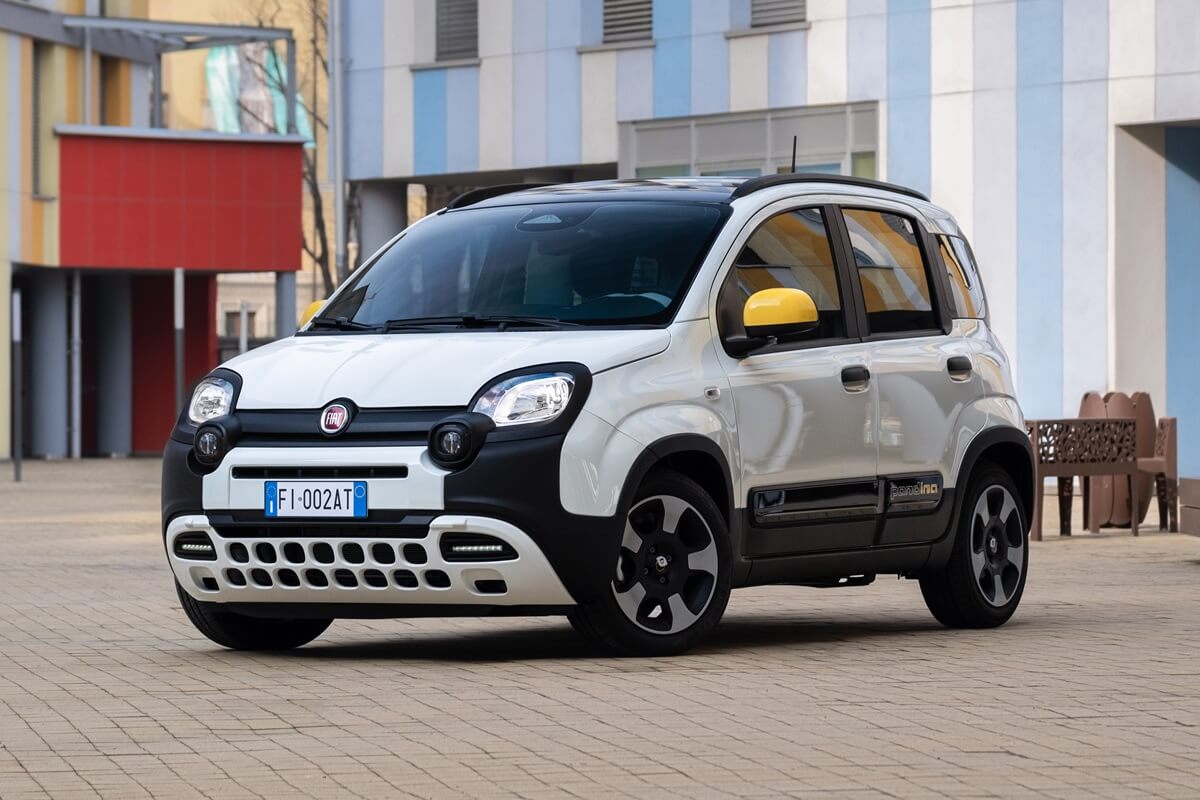
The Panda is the most Italian car on this list in the most practical sense: it was designed for these streets, maintained by every mechanic in the country, and available in abundant supply on the used market. Spare parts are cheap and easy to find. For expats on a tighter budget or uncertain about how long they'll stay, a used Panda under €7,000 is often the most rational entry point into Italian car ownership. The downsides are real: older versions have dated interiors and the car is not comfortable on long motorway stretches. But as a daily urban tool, it remains hard to beat.
Toyota Yaris Hybrid
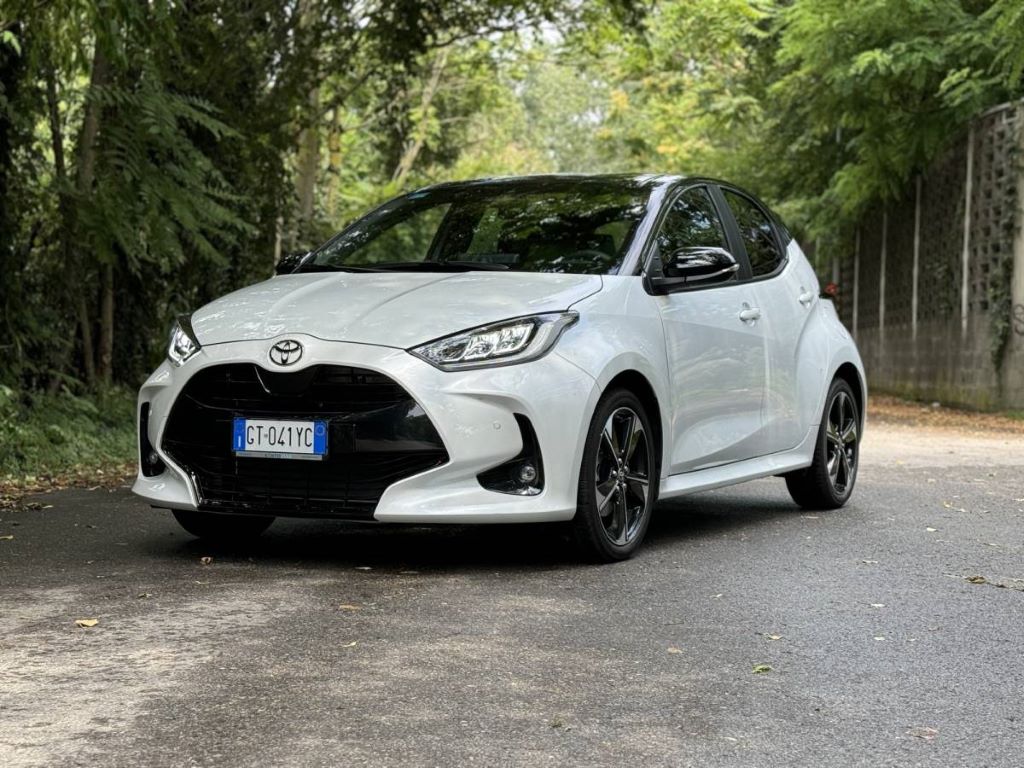
If the Panda is the rational budget choice, the Yaris Hybrid is the smart mid-range one. Full hybrid technology, a quiet motor in slow urban traffic, excellent fuel efficiency, and very low emissions - which matter for ZTL access in many Italian cities. For expats coming from markets where hybrids are already mainstream (the UK, Japan, the US), this will feel like a familiar and sensible choice. It also holds its value well. The only trade-off is a price premium over comparable non-hybrid options.
Fiat 500 (including electric version)
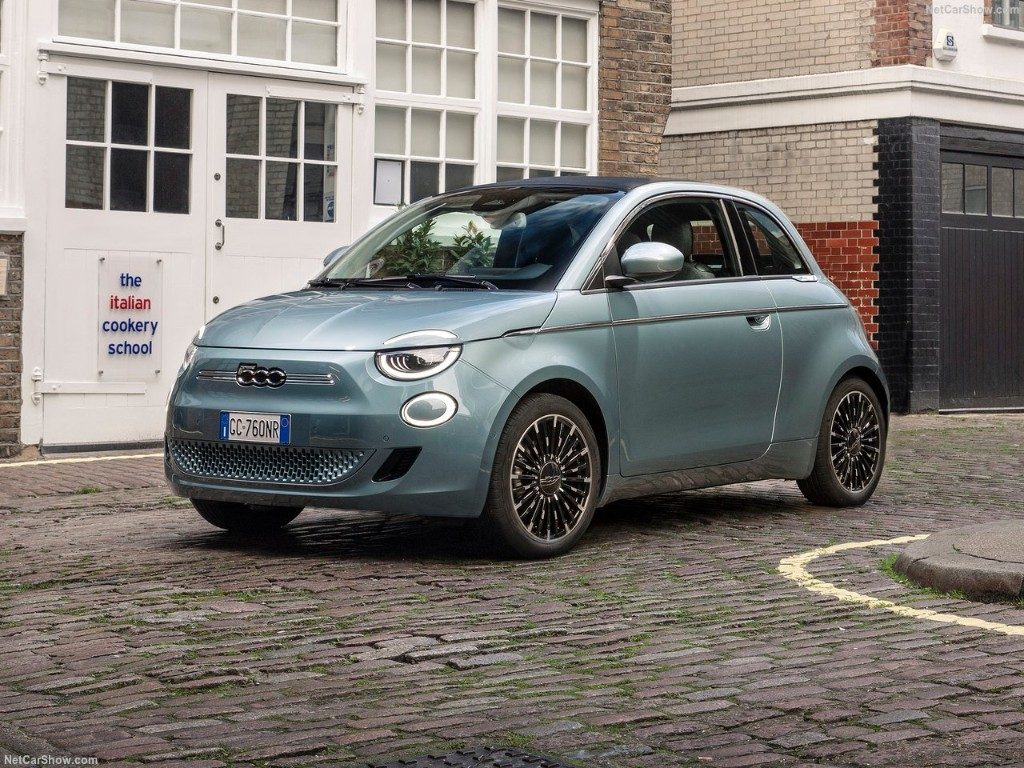
The 500 is genuinely charming and genuinely useful in Italian cities. It is iconic for a reason. The electric version has a limited range by modern EV standards, but for purely urban use - commuting, errands, local trips - this is not actually a problem. The standard range of around 150-180 km is enough for most city weeks without charging anxiety. The boot is very small even by city car standards, which becomes an issue if you need to transport anything larger than weekly groceries regularly.
Volkswagen Polo

Slightly larger than the Fiat options, the Polo sits at the intersection between city car and compact. It handles urban driving well while also being genuinely comfortable on motorways and regional roads. German build quality and strong resale value make it a particularly good choice for expats who expect to sell the car when they leave. It costs more than the Fiat alternatives but tends to require less attention over time.
Best SUVs for Italian Roads in 2026
SUVs are popular in Italy, but they need to be chosen carefully for the Italian context. A compact B-SUV or a small C-SUV can work well even in urban settings. A large SUV - anything approaching or exceeding 4.7 metres - will create daily problems in most Italian city centres. That said, for expats living outside cities, or those who travel regularly through Apennine roads, rural Tuscany, or mountain regions, an SUV makes genuine sense.
Jeep Renegade
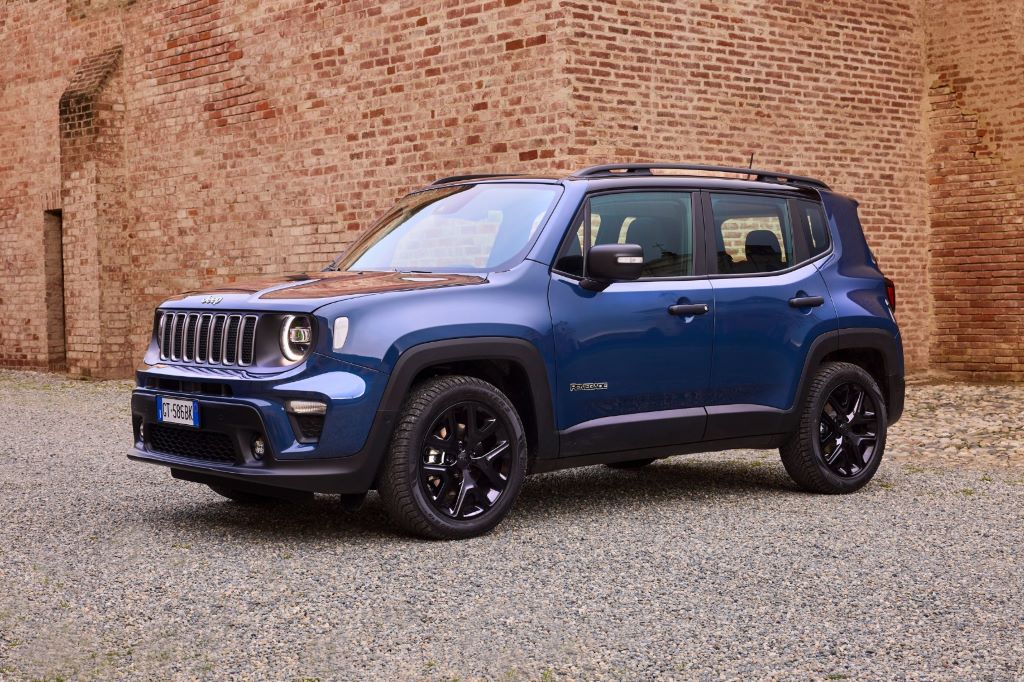
The Renegade has become one of the most common SUVs in Italy, which itself is useful information: there are mechanics who know it, spare parts are widely available, and the used market is rich. Its dimensions are manageable - just over 4.2 metres - which means it can navigate most Italian streets without constant stress. The 4WD version is available for those in mountainous or rural areas. A well-chosen used Renegade between €12,000 and €18,000 represents solid value.
Toyota C-HR Hybrid
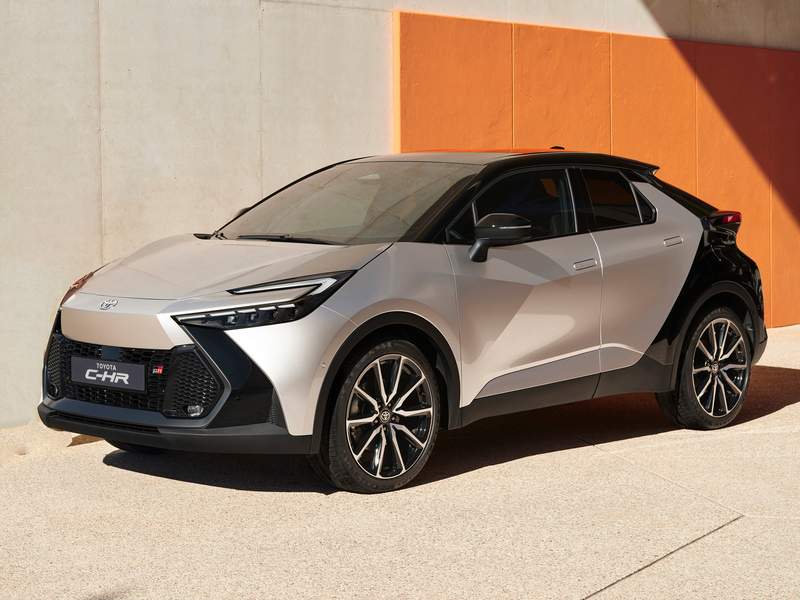
Divisive on design, excellent on engineering. The C-HR's full hybrid system performs particularly well in urban stop-start traffic, which makes it a smart choice for expats who want the SUV format but spend most of their time in the city. Emissions are low, ZTL access is easier, and running costs are lower than a comparable petrol or diesel SUV. The boot is more limited than it appears from the outside, which is worth testing before buying.
Volkswagen T-Roc
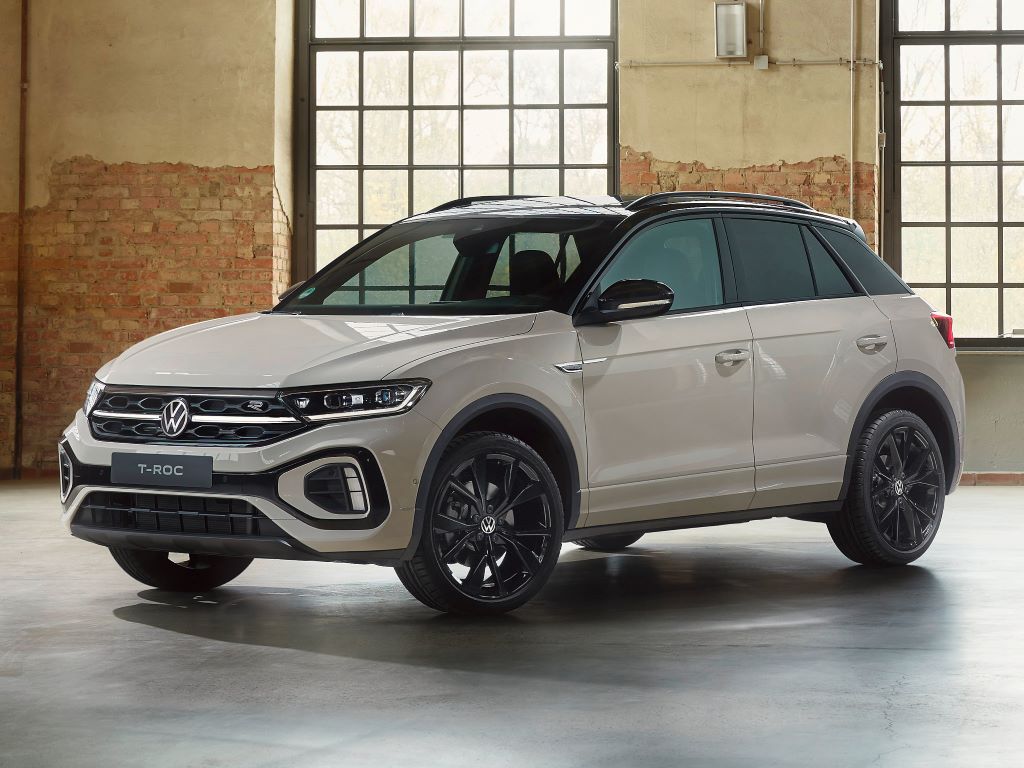
One of the best-selling SUVs in Italy. Practical, with a genuinely usable boot, quality interior, and a wide range of used examples available across the country. The T-Roc strikes a good balance between urban manageability and motorway comfort. It is not the cheapest option in this segment, but it holds its value and is straightforward to resell.
Dacia Duster
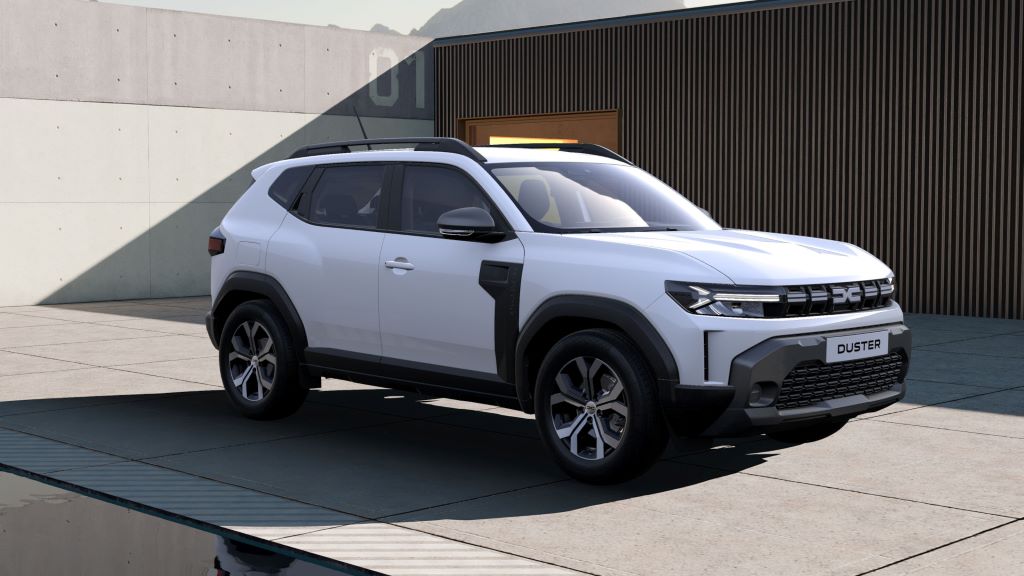
For expats who want real SUV capability at a budget price, the Duster is the answer. It offers genuine AWD, solid ground clearance, and remarkable value for money. The interior is functional rather than refined, and it won't win any design awards. But for someone living in rural Umbria, the Dolomiti foothills, or any area with unpaved roads and winter snow, a Duster at €10,000–€14,000 makes more practical sense than a more expensive, less capable alternative.
Best Family Cars for Expats Moving to Italy
Families - especially those with children, school runs, and regular trips to IKEA - face a genuine dilemma in Italy: large enough for the family's needs, small enough not to become a daily problem in urban streets. Station wagons and C-SUVs are the most common solution among expat families, and for good reason.
Volkswagen Golf Variant / Passat Variant
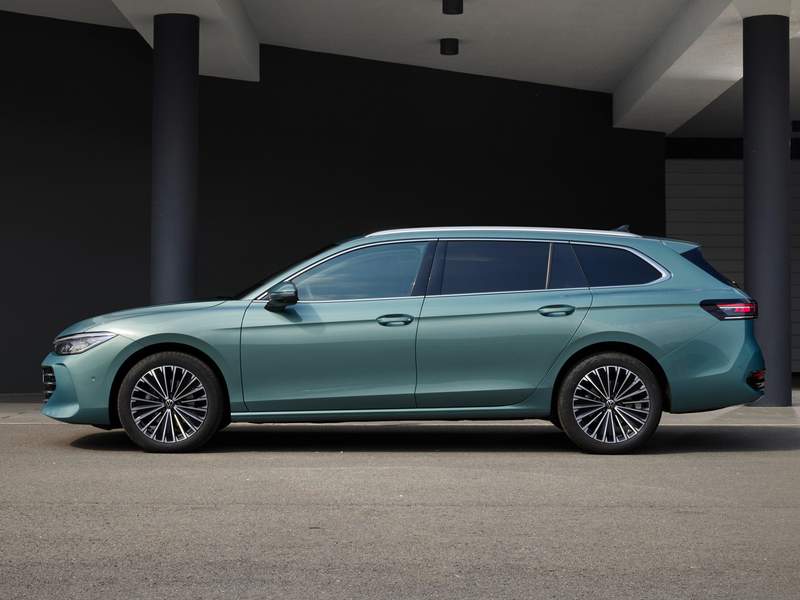
German estate cars have a loyal following among Northern European expats in Italy, and the Golf Variant in particular strikes the right balance. The boot is generous, build quality is high, and the car holds its value reliably. The Passat Variant offers more space still - useful for larger families - though its size makes it more challenging in dense city environments. Both are widely available used in Italy.
SEAT Leon ST
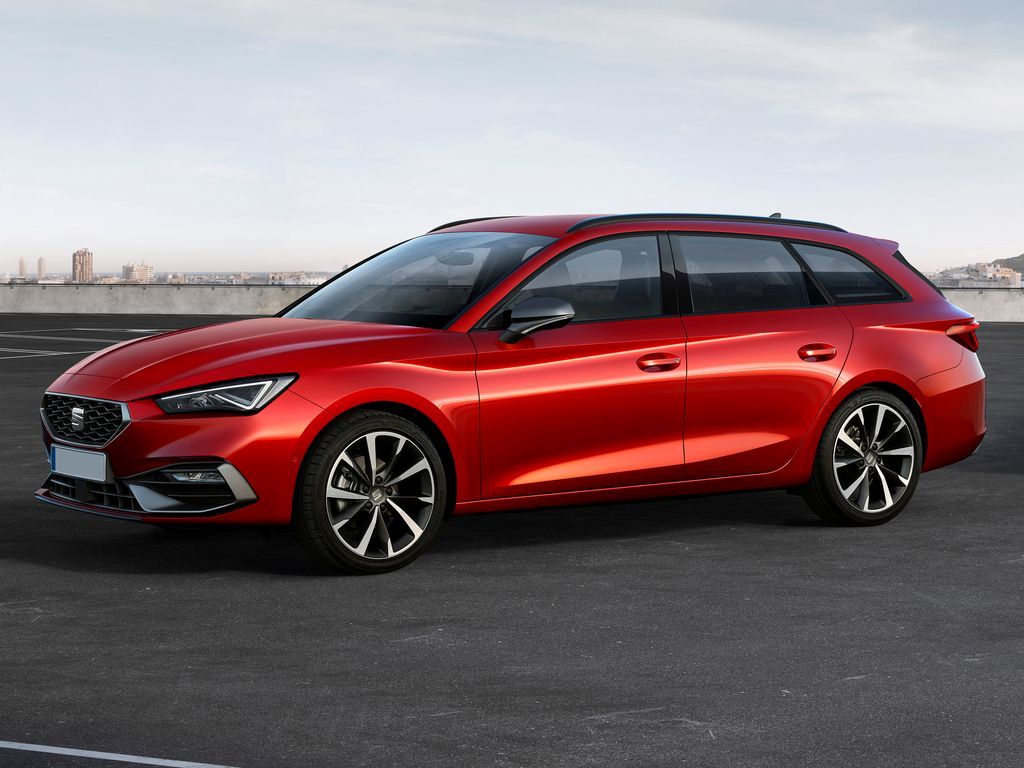
The Leon ST offers most of what the Golf Variant provides at a lower price point. It is produced within the Volkswagen Group, which means shared mechanics and spare parts. As a used buy between €10,000 and €16,000, it represents one of the best quality-to-cost ratios in the family segment. Easier to find than the Golf Variant in certain regions.
Kia Sportage Hybrid
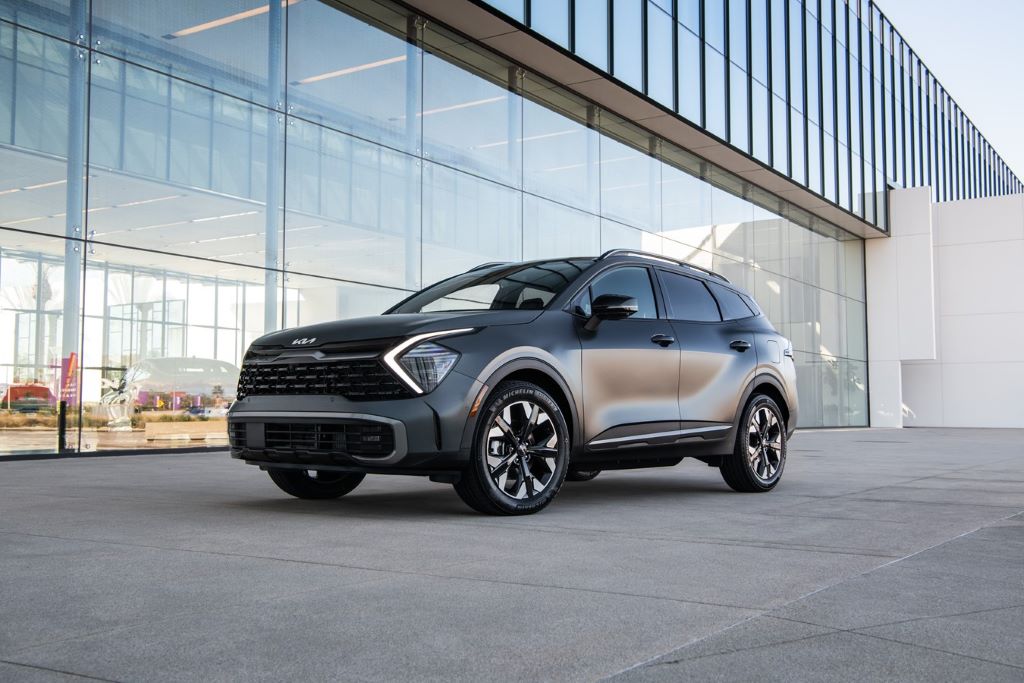
For families who prefer the SUV format, the Sportage Hybrid deserves serious consideration. The 7-year manufacturer warranty is unusual in the segment and provides genuine peace of mind. Hybrid efficiency reduces running costs, the interior is well-finished, and the boot is practical. Kia's service network in Italy has expanded considerably in recent years, though it remains less widespread than the major European brands in rural areas.
Skoda Octavia Combi
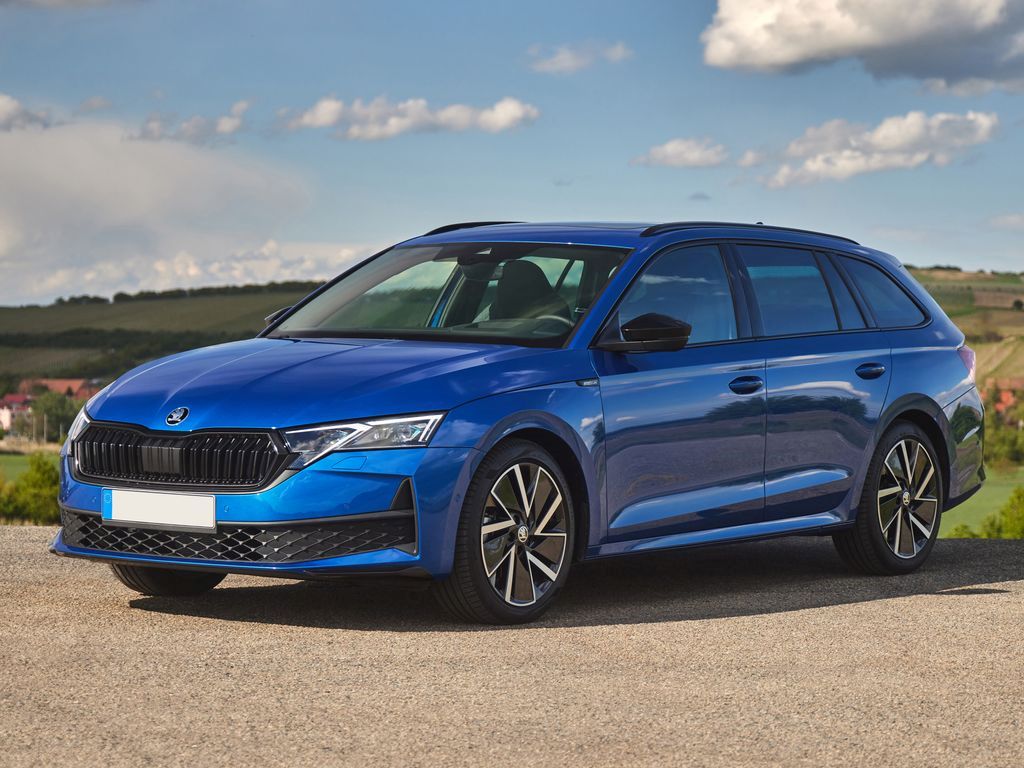
Consistently one of the most underestimated cars on the European market. The Octavia Combi offers near-Passat levels of space at Golf Variant prices, with reliability that is well-documented over many years. For an expat family looking for maximum practicality without premium pricing, the Octavia Combi is difficult to argue against.
Petrol, Diesel, Hybrid or Electric? Choosing the Right Fuel Type in Italy
There is no single correct answer here - the right fuel type depends entirely on where you live, how you drive, and how long you plan to stay.
Petrol remains the most accessible option in Italy. Lower purchase price, widely available everywhere including smaller towns, and generally lower insurance costs than equivalent diesel models. Petrol makes most sense for expats who drive limited annual kilometres, live outside major urban centres, or want to keep the initial outlay low.
Diesel is in gradual decline in Italian cities. ZTL restrictions increasingly target older diesel engines, and the direction of urban policy across Rome, Milan, Florence, and Bologna is consistently toward tighter diesel access. A recent, efficient diesel Euro 6 can still make sense for someone driving long motorway distances regularly - it remains genuinely economical at higher annual mileages. But anyone planning to live in a major Italian city should treat diesel with caution and verify ZTL rules before buying.
Full Hybrid (primarily Toyota/Lexus) is the most balanced choice for urban Italian life in 2026. Lower fuel consumption in city traffic, reduced emissions that help with ZTL access in many cities, no range anxiety, and no need for home charging infrastructure. Toyota's hybrid system in particular has a well-established track record of reliability over very high mileages. For most expats living in Italian cities, a full hybrid represents the most practical all-round solution.
Electric (BEV) is growing but remains infrastructure-dependent. In major cities - particularly Rome, Milan, and Turin - charging infrastructure is improving. For expats with private parking and access to home charging, an electric car in the city makes genuine sense, especially given Italian state incentives that can reduce the purchase price significantly. You can find the current incentive structure in our guide to electric cars and EV incentives in Italy. Outside major urban centres, the picture changes considerably. Charging points in rural and mountain areas remain sparse and unreliable. Anyone who travels frequently outside the city should evaluate their specific route before committing to a full electric.
| Fuel Type | Best For | Approach with Caution |
| Petrol | Rural areas, limited km, budget buyers | High annual urban mileage |
| Diesel | High motorway km, Euro 6 only | City dwellers, ZTL-heavy areas |
| Full Hybrid | City life, all-round balance | Not required, but recommended for urban use |
| Electric | City with private charging | Rural areas, frequent out-of-city travel |
Budget Guide: How Much Should You Spend on a Car in Italy?
The budget question depends on your situation, not a generic formula. Here is an honest breakdown of what each price range realistically delivers in 2026.
Under €10,000 (used market)
This range covers used city cars and small hatchbacks from 5 to 8 years old - Fiat Panda, Renault Clio, Opel Corsa, older Toyota Yaris. Cars in this range can be mechanically sound, but pre-purchase inspection by an independent mechanic is essential rather than optional. Ideal for expats on a short-term contract, those testing Italian life before a longer commitment, or anyone who wants to keep overall costs minimal. Maintenance and unexpected repairs should be factored into the annual budget from day one.
€10,000–€22,000 (the sweet spot)
This is the most productive range for most expats. It provides access to recent used hybrids, 2-to-4-year-old C-SUVs, German family estates in good condition, and modern city cars with full warranties remaining. Maintenance histories are typically available and verifiable. This is where the balance between cost, reliability, and practicality is best. The majority of what Carsforexpats sources for clients falls within this range.
Over €22,000 (new or nearly new)
Premium SUVs, new full EVs, top-specification estate cars. Makes the most sense for expats on long-term contracts, families requiring higher comfort and space, or those whose professional situation demands a more representative vehicle. The depreciation curve on new cars in Italy follows European norms - significant in the first two years. Buying a car that is 12 to 18 months old in this segment often delivers most of the benefit at meaningfully lower cost. For luxury and performance options, you can browse our luxury cars for sale in Italy.
Most Reliable Car Brands for Italian Roads
Reliability in the Italian context means something specific: not just how rarely a car breaks down, but how easy and affordable it is to fix when it does, and how well-supported the service network is across the country.
Toyota and Lexus consistently rank first among expats - particularly North Americans, Asians, and British nationals - for a combination of reasons: very low running costs, a hybrid system that genuinely lasts, and a service network that covers even mid-sized Italian cities. The reputation is well-earned and documented over decades of ownership data.
Volkswagen Group (VW, Skoda, SEAT) dominates the Italian market in volume terms, which means mechanics familiar with these engines are everywhere, spare parts are readily available and competitively priced, and used examples are easy to find. The trade-off is that VW Group vehicles from certain production years had quality issues that are now well-documented - buying with a service history reduces this risk considerably.
Fiat and Stellantis remain the most "natural" brands for Italy: parts are cheap, small-town mechanics know these cars intimately, and the used market is the most liquid in the country. Quality varies significantly by model and year. The older Panda and 500 are generally solid. Some newer Stellantis products have had quality control issues that are worth researching before buying.
Kia and Hyundai are growing rapidly in Italy. Long warranties, competitive pricing, and improving build quality make them increasingly attractive. The service network is less widespread than the established European brands in rural areas, but expanding every year.
French brands (Renault, Peugeot, Citroën) produce competitive products, but their after-sales support in parts of Italy - particularly southern regions and smaller towns - can be inconsistent. Worth researching specifically for the area where you'll be living.
City-by-City Guide: What Car Works Best Where
Rome
The most demanding Italian city for car owners. ZTL zones are aggressive and expanding, traffic is consistently chaotic, and finding parking for anything larger than a compact is a genuine daily challenge. A city car or compact hybrid is the right tool for Rome. Anything longer than 4.3 metres will create regular problems. Read more in our dedicated page on buying a car in Rome.
Milan
Area C in the centre operates as a congestion charge zone, and Area B restricts older diesel vehicles across a much larger area. For expats living in Zones 1 or 2, a hybrid or electric vehicle is close to essential. Milan also has excellent public transport - many expats find it worthwhile to delay buying a car until they understand their actual mobility needs, which sometimes turn out to be lower than expected.
Florence
The historic centre is almost entirely ZTL, making central Florence one of the most restrictive environments in Italy for car access. A car is very useful for exploring Tuscany, but in the city itself it will spend significant time parked. A compact hybrid or small city car covers both needs adequately.
Bologna, Turin, Naples
Three very different contexts. Bologna is highly cyclable with active ZTL enforcement; many expats there find they need a car only for regional travel. Turin is more car-oriented, with a layout that accommodates driving more naturally. Naples requires a different mindset entirely - driving there involves unpredictability and requires a car that can absorb daily scrapes without causing anxiety. A practical, inexpensive, and easy-to-insure vehicle is the right choice.
Rural and countryside Italy
Here the calculus shifts completely. A SUV with reasonable ground clearance makes genuine sense for unpaved country roads, narrow regional routes, and winter driving in mountain areas. Space and robustness matter more than maneuverability. A Dacia Duster or Jeep Renegade AWD serves rural Umbria, the Apennines, or Sicily's interior far better than any city car.
What Expats Often Get Wrong When Choosing a Car in Italy
The most common mistake is choosing a car that matches an idealised version of Italian life rather than the specific city, neighbourhood, and lifestyle the expat will actually inhabit. Someone moving to Rome who buys a 4.6-metre SUV because they imagine weekend trips through Tuscany will spend the other five days of the week unable to park in their own street.
The second most common error is buying diesel without first checking the specific ZTL rules of the destination city. Diesel restrictions vary significantly between Rome, Milan, Florence, and smaller cities, and they are being tightened progressively. What is permitted today may not be permitted in two years.
A third consistent mistake is not calculating insurance costs before committing to a purchase. In Rome especially, the difference in insurance premium between a 70 kW compact and a 150 kW SUV can be substantial - and the first year without Italian insurance history is always the most expensive. Understanding the full annual cost picture before buying prevents the unpleasant surprise of costs that are significantly higher than anticipated.
Finally, many expats underestimate the importance of buying from a trustworthy source - particularly when they don't yet speak Italian fluently and cannot easily verify documentation, negotiate contract terms, or identify administrative irregularities. A car that appears to be a bargain in a private sale can turn into an expensive bureaucratic problem if the paperwork is not in order.
FAQ: Best Cars for Expats in Italy (2026)
The Toyota Yaris Hybrid for those with a mid-range budget, and the Fiat Panda for those prioritising minimal costs. Both navigate Rome's streets comfortably, park in tight spaces, and keep insurance costs reasonable.
It depends. For someone driving predominantly on motorways and not living in a ZTL-heavy city, a recent Euro 6 diesel can still make economic sense. For anyone living in Rome, Milan, or Florence, diesel is increasingly problematic and the risk of future restrictions is real.
A used Fiat Panda or Toyota Yaris under €10,000. Both have low maintenance costs, readily available spare parts, and a large used market to choose from.
In major cities with private parking and home charging, yes - increasingly so. Outside major urban centres, range and charging infrastructure remain significant practical constraints.
Toyota, Volkswagen Group (VW, Skoda, SEAT), and Fiat/Stellantis have the most widespread coverage across Italy, including smaller towns and rural areas.
Only if you live outside a major city. In urban centres, a large SUV creates daily practical problems that typically outweigh its advantages. In rural or mountain areas, it makes genuine sense.
The Kia Sportage Hybrid, Skoda Octavia Combi, and VW Golf Variant are consistently the strongest options - each for slightly different priorities around budget, space, and fuel efficiency.
Ready to Find the Right Car for Your Situation in Italy?
Choosing the right car in Italy is less about picking a model from a list and more about matching a vehicle to the specific city, neighbourhood, lifestyle, and budget that actually applies to you. The considerations are different for someone moving to central Rome and someone settling in rural Lazio. They're different again for a family with school-age children versus a professional who needs a car primarily for weekend travel.
Carsforexpats works with expats at exactly this stage of the decision - before the purchase, not after. We help identify the right type of vehicle for your specific situation, source options that meet clear technical and legal standards, and handle the administrative steps that tend to create the most friction for foreigners navigating the Italian system for the first time.
If you're approaching this decision and want guidance that goes beyond a generic list, get in touch with us.
The right car for Italy exists - it just needs to be the right one for your Italy.